
Build an approval‑ready credit profile
Understand what’s driving your credit decisions, identify items that may be unfair or inaccurate, and take a structured next step toward stronger approvals and better terms.
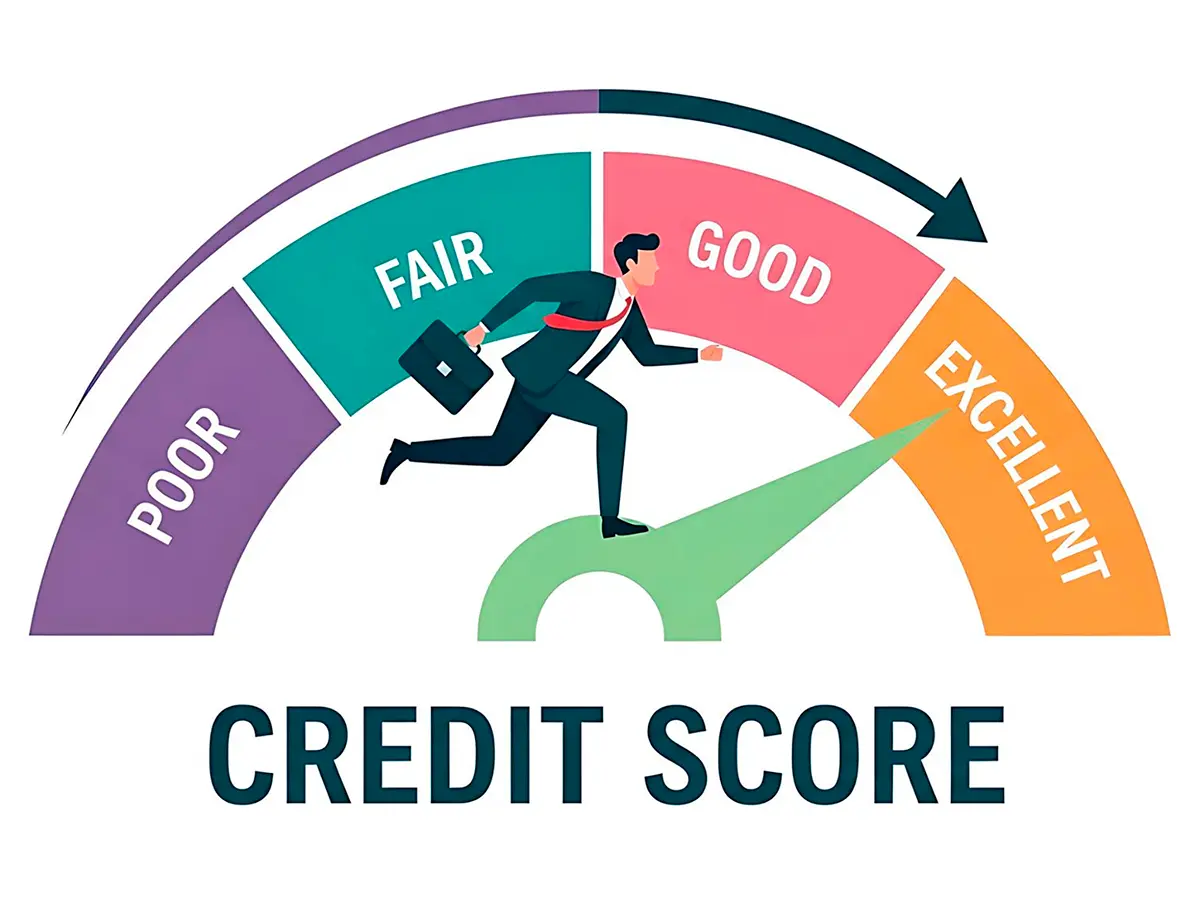
Built around established U.S. credit reporting practices and dispute procedures under the Fair Credit Reporting Act (FCRA). No unrealistic promises—just clarity, documentation, and structured credit improvement.
Unlock more options
Choose the outcome you care about. We’ll outline what improves it—and what to watch for—so you can move forward with confidence.
Your path to stronger credit
A stronger credit profile can mean better approval odds, improved loan terms, and more financial flexibility. Get a clear, no-fluff overview of what credit improvement can help you achieve — then take the next step when you're ready.
Credit decisions in the U.S. are typically influenced by payment history, utilization ratios, account age, recent inquiries, and the accuracy of reporting across major credit bureaus.
Even small inconsistencies can affect lending algorithms. A structured credit improvement approach focuses on verified data, responsible usage patterns, and consistent financial behavior.
*Results vary. This page does not guarantee outcomes.
How it works
A straightforward workflow used by reputable credit‑support programs: review, challenge what’s questionable, and build stronger habits while updates are processed.

Review your starting point
Clarify your goal and look at what’s currently affecting approvals and terms.

Identify what can be challenged
See what information is typically needed, what to expect next, and how the workflow usually looks.

Move forward
Continue to explore available options and take the next step toward better credit outcomes.
credit repair in phoenix: a realistic comparison guide to steady progress
Phoenix underwriting can feel unforgiving. Rents nudge higher, interest rates test patience, and a handful of late payments or high balances can slow big plans. Still, practical steps - done in the right order - work. The aim here is simple: compare your options, choose a path, and act with calm persistence.
What actually moves the needle
- Payment history: On-time payments build momentum; recent lates weigh the most.
- Utilization: Keep each revolving card under 30% - ideally under 10% - by the statement date.
- Mix and age: Older, well-managed accounts help; avoid closing your longest card without a reason.
- Derogatories: Collections, charge-offs, and severe delinquencies fade with time but can be challenged if inaccurate or unverified.
- Errors: Mistakes happen; accurate disputes are fair, fast wins.
Real moment: at a Roosevelt Row coffee shop, a borrower paid down a $900 balance before the statement cut and watched a 34-point bump roll in the next cycle - quiet progress that turned a "maybe" car loan into "approved."
Options in Phoenix, compared
- DIY, dispute-and-build: Pull free credit reports weekly, correct errors, lower utilization, and set autopay. Pros: Lowest cost, builds lasting habits. Cons: Requires focus and time.
- Nonprofit credit counseling (DMP): A counselor may consolidate unsecured debts into one payment and request interest concessions. Pros: Structure and accountability; can lower stress. Cons: Some accounts may close; short-term score dip.
- For-profit credit repair firms: They send disputes and negotiate. Pros: Time-saver for documentation-heavy errors. Cons: Fees add up; no one can lawfully remove accurate, timely data.
- Secured card or builder loan (often via a local credit union): Small limits, low risk, reports monthly. Pros: Predictable path to positive history. Cons: Needs deposit and patience.
- Mortgage lender rapid rescore: For active homebuyers, some lenders can fast-update verified changes. Pros: Speed. Cons: Only for documented updates during a mortgage process.
Timing and expectations
Most bureau updates land within 30 - 45 days; meaningful change accrues over 3 - 9 months. Paying down revolving balances shows fastest. Removing proven errors can help quickly; resolving old negatives helps gradually. Some medical collection policies have softened, and paid or small balances may drop off sooner than before - verify on your reports.
Fairness and your rights
You can dispute inaccurate, incomplete, or unverified items with each bureau. Keep copies, dates, and screenshots. If a collector contacts you, you may request validation before paying. Accurate negative information generally stays for its allowed period; anyone promising guaranteed deletions is not playing it straight. Aim for accuracy, not perfection.
One-month action plan
- Pull your free credit reports and list every negative item with dates and amounts.
- Schedule autopay for minimums; set calendar nudges for due dates and statement cuts.
- Pay revolving balances to 1 - 9% utilization, starting with cards closest to their limits.
- Dispute only factual errors with clear documentation; avoid copy-paste templates.
- Ask original creditors for a goodwill adjustment on isolated, older lates.
- Add one positive line if thin: a secured card or small builder loan you can comfortably manage.
- If overwhelmed by debts and calls, consult a reputable nonprofit counselor to compare a DMP versus DIY.
Progress in Phoenix rewards steady effort. Keep records, act each month, and let time compound the wins. Like starting a South Mountain hike before the heat, modest early moves make the rest of the climb manageable - and get you where you're going with energy to spare.
Nationwide Credit Clearing has over 25 years of experience in credit repair services. We have helped thousands of people improve their credit score.
Call Our Team Now 1-800-988-2767 HOME PROMOS TESTIMONIALS CREDIT REPAIR DEBT COLLECTION NEGOTIATORS MORTGAGE & UNSECURED LENDING AVAILABLE CONTACT US
ASAP Credit Repair Phoenix will help you repair your credit scores by removing derogatory items from your accounts. Call or text us today!
Frequently asked questions
A clear next step — without the guesswork
See what’s impacting approvals and what may deserve a closer look.
Understand how disputes are structured and what documentation matters.
Improve utilization, consistency, and long-term credit stability.
See what improving your credit could change
Take a structured next step based on your current profile — and decide with clarity.